
To learn how I can help you through the maze of college admissions, financial aid and all the forms, forms, forms, visit: ccc.collegiatefundingsolutions.com
From:
[advisorname][advisorbusinessname]
[advisorphonenumber]
[advisoremail]
HIGHLIGHTS:
- The Deciding Visit
- Smallest Check You'll Ever Write for College
- The Waiting Game
- HS Juniors
- Graduating Seniors
- Financial Aid Question of the Month
Date: April 2011
Dear College Parent(s)
Last month we learned how to decipher your student's financial aid award letter and what you might do to have a shot at increasing the awards.
Before committing to spend as much money on your student's college education as NASA spent on the space shuttle, if time and finances allow try to make a final overnight visit to their top two or three choices.
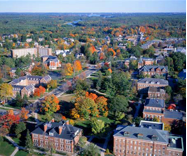
Love at first sight happens occasionally, although I think those of us who have some experience in these matters would say it's hormones that happen at first sight. If your student has decided to enroll at a college because they're in love with it, let them know-- in a way that only a parent can convey-- that it's more important to "like" first, and have the chance to fall in love later. People love lots of things: ice cream, a new dress, an iPhone, car, or a band. But would you bet a quarter of a million dollars in tuition that that kind of love is going to last?
Likeable qualities that a college or university should have:- The kind of students yours can relate to
- An academic program that is challenging and taught in a way that they learn best
- Accessible professors and instructors
- Stuff to do on weekends other than consume alcohol
- Support services that work
- Edible food
- Enthusiastic, supportive, and friendly administrators
- An environment that promotes learning
- Ease of going back and forth from home, i.e., planes, trains and automobiles
- Transportation to and from and around the area
And last but not least, they should be have the resources to be able to teach your student how to think critically, to read with a discerning eye, to communicate clearly and effectively, and to not think that something must be right because XXX said so.
If these qualities exist at the college they love, then, "Louie, it could be the start of a beautiful friendship."
The whole application process is so stressful that it's normal to want to get it over with. Now is the time where you, the parent, need to be the voice of reason. Encourage your student to wait until all of the offers have arrived. You should keep your options open in case circumstances change, e.g., you decide to appeal the financial aid package. Find out as much as you can about the college. What is their four-year graduation rate? Is it a suitcase school or do most students stick around on weekends? If you don't know about support and tutoring services, now is the time to learn about them.
Don't let the college's emails and letters pressure you into sending in your deposit until your ready, which, ready or not-- is May 1st. And if you need a few extra days to sort things out like finances, call admissions and ask for an extension.
If there are a couple of contenders that don't have guaranteed freshman housing, you may want to send in a housing deposit now. Most are refundable.
Don't put acceptance deposits down for two or more colleges at the same time. If you do and are found out, you will lose your place at that college. Before May 1, double deposits are unethical and illegal. Admission officers talk to each other all the time and your student could have his offer rescinded.
In the meantime, financial aid award offers need to be reviewed and properly evaluated. You need to know what it's going to cost and if you can afford it-- by May 1st!
As few as 15 percent of prospective students will make it off the wait list at the most selective schools, and wait lists are likely to be longer this Spring than ever before.

Colleges that practice need-aware financial aid are more apt to admit affluent students from their wait lists first, leaving those with financial need a few scraps and bones. This pittance may be good enough for feral dogs, but certainly not your student! This practice all but guarantees that only those "full pay" students will get first dibs on the few seats that are up for grabs.
There are always a few students on the wait list who find a way to ingratiate themselves to admissions officers, however, most efforts fail far more than succeed.
I can't emphasize enough to high school students that they must take the standardized tests seriously. If you student isn't practicing for the SAT or ACT, they can miss out on a lot of free money.

Most private scholarships are for one year only. Five thousand dollars is considered a huge award, and an amount like that goes to only a few thousand students out of over three million new freshman. Yet students and parents spend tens of hours searching for these scholarships that on average only award $250.
Contrast that with a college's merit award of $10,000 per year! Our kids want to go to college to make a lot of money. Well, which is the better use of their time?
If your student doesn't do well on the SAT, then have them take the ACT. If they don't get a decent score, they might get in, but they won't get money-- not much anyway.
Do you know how much you've borrowed over the past four or five years? It's easy enough to find out. Go to www.nslds.ed.gov to retrieve your student loan information. Then start thinking about how you're going to pay them off.

You do have a variety of options. The Income Based Repayment program (www.IBRinfo.org) allows you to pay off your student loans with no more than 15% of your discretionary income, and will forgive your loans after 25 years. No hurry because you have six months after you graduate before you begin paying those loans off.
In the 1986 surprise hit comedy, Back to School, Rodney Dangerfield plays the father of a son who is miserable at college. To show his progeny that he can do anything he sets his mind to, he enrolls himself at his son's university. The ending has Rodney addressing the graduating class with these words, "... members of the graduating class. I have only one thing to say to you today... it's a jungle out there. You gotta look out for number one. But don't step in number two. And so, to all you graduates... as you go out into the world my advice to you is... don't go! It's rough out there. Move back with your parents. Let them worry about it."
There's a moral in there somewhere!
'Till next month,
[advisorname]P.S. If you find this newsletter helpful to you please share it with other parents like yourself!
Financial Aid Question of the Month:
Q.I just lost my job. I'm done with work in two months. I've already filed the FAFSA and CSS/Profile. Can I amend them? Should I tell the college's financial aid office, and what will they do to help me?
A. Few things are worse than losing one's livelihood. There are too many parents going through what you are, and with college bills arriving in just four months, I know you must be sick to death about it.
Because the FAFSA and CSS/Profile use last year's information, you won't re-file those forms. You should, however, notify the financial aid office of your new situation. They will make note of it, though they will probably not do anything about it now. What they are likely to tell you is that you may find work between now and two months from now. If you haven't, they will ask you to contact them then.
When you speak with them, ask about additional need-based funds they may have available before the Fall semester begins.
If you believe that you will find work within a year, make sure that you are on top of your financial commitments and don't go into delinquency or default. If your credit is clean, you will be able to borrow from the federal government without having to prove income and you can defer making payments for up to four years. If your credit is bad, then your student can borrow an additional $4,000 in an unsubsidized Direct Stafford Loan to help with college expenses.